Introduction
The global and African environmental landscape is currently navigating through a series of significant challenges, necessitating a comprehensive examination. This professional article delves into pressing concerns, including climate change, biodiversity loss, plastic pollution, and air and water contamination. Rooted in human activities such as burning fossil fuels, deforestation, and unsustainable agricultural practices, these challenges demand a nuanced exploration.
Assessing Global Environmental Effects
The current state of the environment on a global scale is confronted with formidable challenges. The planet faces an array of challenges stemming from human-induced factors. Notably, climate change, plastic pollution, biodiversity loss, and air and water pollution are significant environmental issues affecting the world. These challenges are largely caused by human activities such as illegal logging, mining, and farming practices that degrade the environment. In addition, air and water pollution from industrial activities and inadequate waste management are major environmental issues in many African countries. However, there have been efforts to address these issues through international agreements such as the Paris Agreement, which aims to limit global temperature rise to below 2°C, and the United Nations Sustainable Development Goals, which provide a framework for sustainable development. Countries and individuals are also taking actions to promote sustainable living and protect the environment, such as transitioning to renewable energy sources, reducing waste and pollution, and adopting sustainable agriculture practices.
Climate Change: A Looming Threat
Climate change is a global environmental challenge caused by the accumulation of greenhouse gases in the atmosphere, primarily driven by human activities like burning fossil fuels and deforestation. The repercussions are extensive, leading to rising temperatures, altered weather patterns, sea level rise, and increased occurrences of extreme weather events. The impact poses a threat to human health, food security, and biodiversity, and the urgency of addressing climate change.
Pollution: A Scourge Plaguing Our Planet
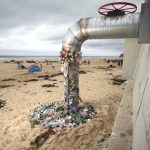
Pollution, characterized by the introduction of harmful substances into the environment, poses a multifaceted threat to air, water, and soil. Driven by industrial processes, transportation, and agriculture, pollution has severe consequences for human health, ecosystems, and wildlife. From respiratory diseases linked to air pollution to the contamination of drinking water sources, the implications underscore the critical need for effective pollution control measures.
Air and Water Contamination: A Silent Assault on Human Health
Air pollution is the contamination of air by harmful substances, such as chemicals, particulates, and biological molecules. It can cause a variety of health problems, including respiratory problems, heart disease, cancer, and premature death. Sources of air pollution include burning fossil fuels, industrial processes, transportation, and agriculture. We can reduce air pollution by transitioning to cleaner energy sources, implementing stricter emission standards, and promoting sustainable transportation options.
Water pollution is the contamination of water by harmful substances, such as chemicals, sewage, and industrial waste. It can make water unsafe to drink, swim in, or use for irrigation. Sources of water pollution include industrial activities, agricultural runoff, and inadequate wastewater treatment. We can reduce water pollution by treating wastewater effectively, preventing pollution from agricultural runoff, and conserving water.
Biodiversity Loss: A Silent Crisis Unfolding
The concerning decline in biodiversity, marked by the disappearance of species and ecosystems, is an insidious crisis unfolding in the shadows of human activities. Habitat destruction, resource overexploitation, pollution, and climate change are inextricably linked to this silent threat, contributing to the diminishing forests, wetlands, and other vital ecosystems that sustain life on Earth. The loss of biodiversity has far-reaching consequences, disrupting ecosystems, impacting human well-being, and jeopardizing the delicate balance of nature.
Economic and Social Impacts of Environmental Degradation
Environmental degradation has far-reaching economic and social consequences. It can lead to;
- Reduced economic productivity: Environmental degradation can damage natural resources, such as forests and fisheries, that are essential for economic activity.
- It can also lead to increased costs for businesses, such as the cost of treating polluted water or adapting to the impacts of climate change.
- Increased healthcare costs: Air and water pollution can cause a range of health problems, including respiratory diseases, heart disease, and cancer. These health problems can lead to increased healthcare costs for individuals and governments.
- Displacement and conflict: Climate change and other environmental disasters can displace people from their homes and lead to conflict over resources. For example, rising sea levels are threatening coastal communities around the world, while drought and desertification are leading to conflict over water resources in Africa.
- Reduced quality of life: Environmental degradation can reduce the overall quality of life for individuals and communities. It can make it difficult to access clean water, grow food, and enjoy outdoor activities. It can also lead to a loss of cultural heritage and traditional livelihoods.
Some Significant Examples of Sustainable Practices
Individuals, businesses, and governments can all take steps to reduce their environmental impact and promote sustainable practices. Here are a few examples:
- Individuals: Conserve energy at home by turning off lights when not in use, using energy-efficient appliances, and weatherizing their homes. Reduce their reliance on cars by walking, biking, or using public transportation. Recycle and compost to reduce waste. Support sustainable businesses by buying products that are made with recycled materials or produced in environmentally responsible ways.
- Businesses: Implement energy-efficient practices in their operations. Reduce their use of hazardous materials. Develop and implement sustainable sourcing policies. Support environmental organizations and initiatives.
- Governments: Implement policies that promote clean energy and sustainable development. Invest in research and development of environmental technologies. Protect natural resources and ecosystems. Educate the public about environmental issues.
Conclusion
As we navigate through these environmental challenges, a collective commitment to sustainable practices is imperative. The global and African environmental landscape faces a multitude of challenges, requiring a collective effort from individuals, communities, businesses, and governments. By understanding the causes and consequences of environmental degradation, we can begin to implement sustainable practices that will protect our planet for future generations. A commitment to environmental stewardship and the adoption of sustainable practices are essential steps towards ensuring a healthier and more resilient future for all.
Call to Action
The challenges facing the environment are daunting, but they are not insurmountable. By working together, we can make a difference, mitigating the looming threats and safeguarding our planet for future generations. Let us actively engage in sustainable practices, support initiatives that prioritize environmental conservation, and collectively work towards a future where our planet thrives, and future generations inherit a healthier Earth.