Introduction
Africa is the second most populated continent in the world, and it is home to 17% of the world’s population, but only contributes to 3% of global greenhouse gas emissions. Despite its low emissions, Africa is highly vulnerable to the impacts of climate change, including extreme weather events, sea level rise, and desertification.
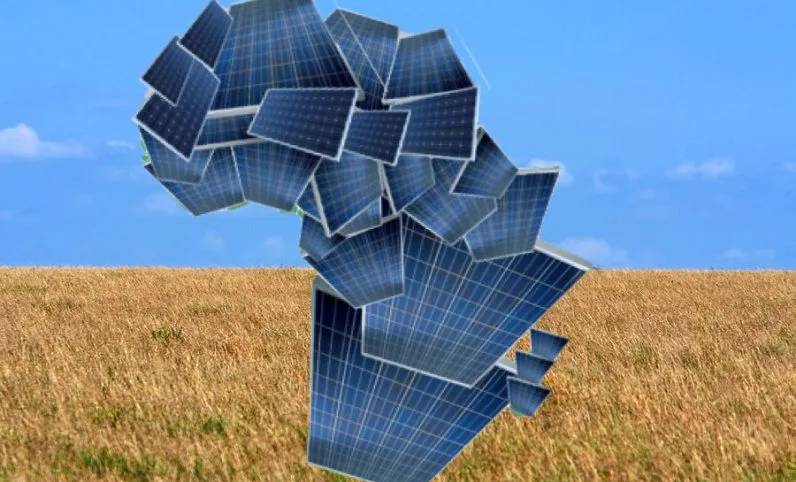
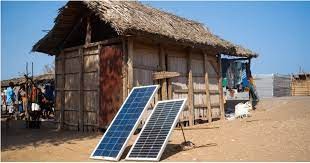
Africa, a continent brimming with vast natural resources and untapped potential, is poised to play a pivotal role in the global clean energy transition. African countries have a significant opportunity to lead the way in global climate action by transitioning to clean energy sources and building resilient infrastructure. With its abundant solar, wind, geothermal, and hydropower resources, Africa holds the key to unlocking a sustainable energy future for itself and the world.
Africa’s Climate Challenges and Priorities
Africa is facing a number of climate-related challenges, including
- Increased frequency and intensity of extreme weather events such as floods, droughts, and wildfires.
- Sea level rise and coastal erosion, threatening coastal communities and infrastructure.
- Desertification and land degradation, reducing agricultural productivity and food security.
- Water scarcity and food insecurity, affecting millions of Africans.
Africa is taking action to address its climate challenges. The actions include:
- The African Union’s Agenda 2063 sets a vision for a prosperous and environmentally sustainable Africa.
- The African Development Bank (AfDB) committed to investing $100 billion in climate-resilient infrastructure by 2020.
- Many African countries are developing their own national climate action plans (NAPs).
- Building early warning systems to alert communities to impending disasters.
- Investing in climate-resilient infrastructure, such as flood-resistant buildings and water management systems.
- Implementing sustainable land and water management practices to conserve forests and protect ecosystems.
- Supporting community-based adaptation initiatives to empower local communities to address climate challenges.
The Urgency of Clean Energy in Africa
Africa’s energy landscape is currently characterized by a heavy dependence on fossil fuels, a situation that contributes to greenhouse gas emissions and poses significant environmental and health challenges. Moreover, energy access remains a major challenge, with over 600 million Africans lacking access to reliable electricity.
The transition to clean energy in Africa is not ordinarily an environmental imperative; it is also a socioeconomic necessity. By embracing clean energy sources, Africa can address its energy poverty, foster economic growth, and create sustainable jobs.
Africa Clean Energy Transition and Potentials
Africa is rich in renewable energy resources, including solar, wind, geothermal, and hydropower. They have the potential to generate 10 times its current electricity consumption from renewable energy sources. Its solar potential is estimated to be the highest globally, with the continent receiving an average of 325 days of sunshine per year. Africa’s wind resources are also significant, with potential for both onshore and offshore development. Geothermal energy, with its stable and predictable supply, offers another promising avenue for clean energy generation. Additionally, Africa’s hydropower potential remains largely untapped, with only a fraction of its capacity currently utilized.
Progress in Clean Energy Adoption in Africa
Truthfully, Africa is making huge progress in adopting clean energy technologies. Several countries have set ambitious renewable energy targets, and a growing number of clean energy projects are underway across the continent.
A number of African countries are making progress in transitioning to clean energy. Take, for instance, Kenya has installed 955 MW of geothermal power capacity and is aiming for 100% renewable energy by 2030.
South Africa is generating 21% of its electricity from renewable sources and is phasing out coal-fired power plants.
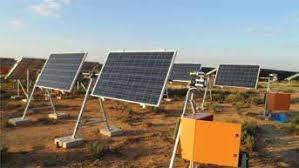
Rwanda has installed 100 MW of solar power capacity and is targeting 56% of electricity from renewable sources by 2030.
Challenges and Opportunities in Clean Energy Adoption in Africa
Despite the progress, several challenges hinder the adoption of clean energy in Africa. These include:
- Financial constraints: Investing in clean energy infrastructure requires significant upfront costs, often deterring private sector participation.
- Technology access and expertise: Access to advanced clean energy technologies and the expertise to deploy and maintain them can be limited in some regions.
- Policy frameworks: While many countries have adopted supportive policies, inconsistencies and a lack of implementation can hinder progress.
Overcoming these challenges requires a multi-pronged approach that involves
- Mobilizing financial resources: Governments, international organizations, and private investors must collaborate to provide funding for clean energy projects.
- Enhancing technology transfer and capacity building: Sharing knowledge and expertise through partnerships and training programs can accelerate the adoption of clean energy technologies.
- Strengthening policy frameworks: Clear, consistent, and well-implemented policies can provide the stability and incentives needed for clean energy investment.
Conclusion
Africa is facing a number of climate-related challenges, but is also taking action to address them.
Africa has a significant opportunity to lead the way in global climate action by transitioning to clean energy and building resilient infrastructure.
By working together, we can create a more sustainable future for Africa and the world.
The Way Forward
Africa’s clean energy transition is not without its challenges, but the opportunities it presents far outweigh the hurdles. By harnessing its abundant renewable energy resources and addressing the existing barriers, Africa can position itself as a leader in the global clean energy revolution, fostering sustainable development, improving livelihoods, and securing a cleaner future for generations to come.