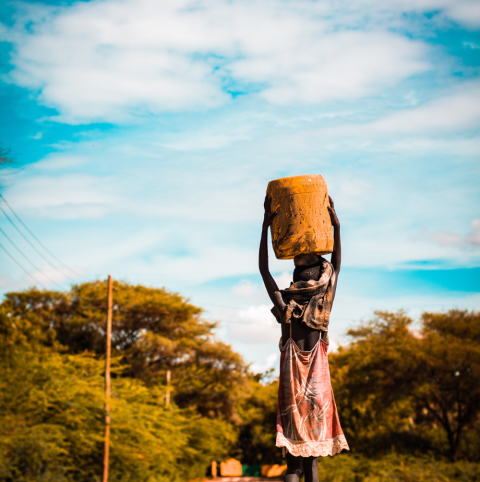
A farmer in rural Nigeria named Fatima wakes to another day of scorching temperatures and a dry landscape. Her crops have been severely damaged by decreasing rainfall and unpredictable weather patterns, affecting the income and food security of her family. This is a harsh reality facing many women in Africa, who have been disproportionately impacted by climate change despite playing a crucial role in managing natural resources and ensuring food security.
The terrible impacts of climate change are becoming more and more visible across Africa. In Nigeria, a nation rich in natural resources and cultural diversity, the impacts are felt unevenly. While climate change poses a threat to all Nigerians, women often bear the burden.
Why Women Are More Likely to Be Vulnerable
Despite their critical role in maintaining food security and managing natural resources, women are often the most exposed to the impacts of climate change. In Nigeria, women are responsible for subsistence agriculture, fetching firewood, and household water collection; the tasks are directly affected by declining rainfall patterns and water scarcity.

This unequal burden stems from several factors:
- Gender Norms and Limited Access: Traditionally, women are frequently assigned to primary responsibility for food security and household water. These women frequently do not, however, have access to finance options, property ownership, or training in climate-smart agricultural methods. This makes it more difficult for them to establish sustainable livelihoods and adjust to changing environmental conditions.
- Exclusion from Decision-Making Tables: Women are often excluded from decision-making processes at all levels, from household budgeting to national policy-making. When it comes to planning climate action and allocating resources, women are often left out of the decision-making process. Their opinions and voices are frequently excluded from discussions, which results in solutions that cannot adequately meet their vulnerabilities and needs and prevents their voices and opinions from being heard. Unequal access to land, financial resources, and decision-making power further exacerbates these challenges. Traditional gender roles often exclude women from participating in climate action planning, hindering the development of effective solutions.
The Consequences of Inequality:
The gender imbalance in climate action has far-reaching consequences.
The following problems occur when women are unable to adjust to climate change effectively:
- Increasing Food Insecurity: The production of food for families and communities is greatly facilitated by women farmers. Declining agricultural yields due to climate change can lead to food insecurity, particularly impacting women and children.
- Increased Poverty: Women who have limited access to resources and opportunities for employment may find themselves trapped in poverty cycles. Their chances of escaping poverty are further hindered by climate change, repeating an endless cycle.
- Increased Social and Environmental Vulnerability: Communities as a whole suffer when women’s needs are neglected in climate action plans. Since women are frequently the main breadwinners in their families, any negative effects on their well-being may have repercussions for the entire community.

Breaking this cycle requires a gender-transformative approach to climate action in Africa.
Here are some key steps towards a more equitable and sustainable future:
- Supporting Women-Led Solutions: Sponsor initiatives led by women farmers and business owners who are creating groundbreaking responses and innovative solutions to climate-related issues. This could include initiatives focused on drought-resistant crops, water conservation techniques, and sustainable land management practices.
- Closing the Resource Gap: Give women access to financing, land, education, and training opportunities. This empowers them and gives them the ability to expand their capacity for earning income, enhance their agricultural methods, and adapt to a changing climate.
- Strengthening Women’s Voices: Ensure that women are included in decision-making processes related to climate change policy and resource allocation. This will lead to more comprehensive and practical solutions that address the specific needs and vulnerabilities of women.
Fatima’s Future, a Brighter Hope:
Imagine Fatima, the Nigerian farmer introduced earlier, not just struggling to survive but leading her community towards a more sustainable future.
By empowering women like Fatima with knowledge, resources, and a seat at the decision-making table, we can create a more resilient country.