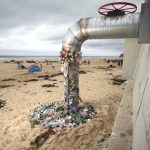
The climate crisis is no longer a future problem, it is happening right now. Rivers are drying up in East Africa, leaving entire villages without water. Floods in West Africa are washing away homes and destroying farms. People are losing their livelihoods, communities, and sense of security. For millions, the climate crisis is no longer a debate or a headline. It is SURVIVAL.
This is why global gatherings like COP29 matter so much. They are supposed to bring world leaders together to create solutions that protect the planet and help the people already suffering the most. However, as the dust settles on this year’s conference, one big question remains: Did COP29 deliver on its promises?
Talks and Tensions
The conference in Baku was marked by intense discussions, bold claims, breakthroughs, unmet expectations, and some surprising absences. For two weeks, nearly 200 countries debated, proposed, and fought to address the global climate crisis. The stakes were high, and while significant progress was made, it was clear that the road ahead remains challenging.
Here is a breakdown of what transpired during those critical two weeks;
The first week focused on setting the tone; finance, adaptation, and innovation took center stage. Developing nations made it clear they needed stronger commitments, with calls for a $1 trillion climate finance target by 2030 to build resilience against the worsening impacts of climate change.
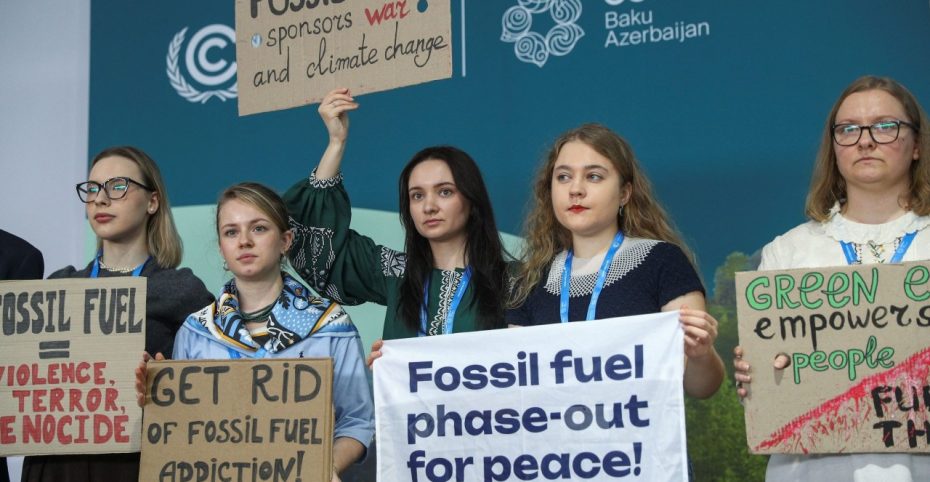
Week two brought fiery debates and sharp criticisms. The message from many stakeholders was loud and clear: a people-centered approach to climate action is non-negotiable. The discussions revolved around addressing loss and damage, climate debt, and reparations for vulnerable regions.
Climate Colonialism and the Burden of Debt
In a youth-led stakeholders’ plenary, Adrian Martinez Blanco, CEO of La Ruta del Clima, highlighted the devastating impact of what he called “climate colonialism.” He explained that emissions caused by the wealthiest 1% in Latin America are driven by a strategy of delaying meaningful change to maximize profits. This exploitation, he argued, has plunged the region into massive debt from climate pollution and stalled progress on implementing UNFCCC agreements for over three decades.
Martinez Blanco warned that this debt, much of it tied to the actions of multinational corporations in the Global North, will likely burden future generations. He wasn’t alone in his critique. Eduardo Giesen, another NGO leader from Latin America, accused these same corporations of funneling profits into global conflicts, including funding atrocities in Palestine.
Shocking Stats from Around the Globe
The climate crisis isn’t just a Latin American problem. A speaker from Australia presented alarming data from an Oxfam report: climate pollution in the region has increased by a staggering 700% over the last decade. These numbers were a stark reminder of the widening gap between rhetoric and action.
But it wasn’t all criticism. Local leaders and NGOs also proposed bold solutions. Over 300 organizations rallied behind a demand for loss and damage funds to flow directly to affected communities, bypassing bureaucratic bottlenecks. The Philippines, for instance, is already leading efforts to ensure this happens.

What Went Right
Despite the setbacks, COP29 did achieve some wins that deserve attention.
1. Loss and Damage Fund Moves Forward
After years of talks, there is finally a framework for the Loss and Damage Fund. This fund is designed to help countries that are hit hardest by climate disasters, like floods, droughts, and storms. For many African nations, this is a lifeline. Building on the historic decision at COP27, COP29 advanced the Loss and Damage Fund, providing much-needed financial assistance to nations hit hardest by climate disasters. However, the fund’s operational details, including contributions and timelines, remain vague.
During stakeholder discussions, Adrian Martinez Blanco emphasized the urgency of addressing “climate colonialism,” where the actions of the wealthiest nations disproportionately harm the most vulnerable. He called for the Loss and Damage Fund to bypass bureaucratic hurdles and directly reach affected communities.
While the fund is far from fully financed, the fact that there is now a plan for how it will work is progress. It shows that the global community is starting to take responsibility for the damage caused by climate change
2. Renewable Energy Commitments
“Renewable energy is Africa’s future. We have the resources, we have the potential, and with the right support, we can lead the way,” said African Development Bank President Akinwumi Adesina.
The continent has some of the best potential for solar, wind, and hydropower in the world. If these commitments lead to actual projects, they could transform energy access and create jobs in regions that need them most. Over 50 countries pledged to phase out coal and expand renewable energy investments. Brazil also updated its climate targets, aiming to cut CO2 emissions by up to 67% by 2030. If these commitments are kept, they could accelerate the shift to clean energy, especially in Africa, where renewable energy could provide a sustainable path to development.
3. Wins in Adaptation and Transparency
COP29 also took steps forward in adaptation and transparency, which are critical for building
Resilience and accountability:
Adaptation: The conference launched the Baku Adaptation Road Map, aiming to enhance the implementation of national adaptation plans. Ministers from small island nations and least-developed countries pushed for faster action to secure funding and technical support for their adaptation needs.
Transparency: Thirteen nations, including the European Union and Singapore, submitted their first Biennial Transparency Reports (BTRs), setting an example for others. These reports are vital for tracking progress, identifying financing gaps, and building trust between nations.
The UK’s £3 million pledge to support UN efforts on deforestation under the REDD+ initiative was another positive step. This funding will help countries track and reverse forest loss by 2030, a key goal in global climate action.
4. Recognition of Local Voices
COP29 gave Indigenous leaders and local communities a stronger platform. Their role, knowledge, and experience in protecting ecosystems and offering sustainable solutions were finally acknowledged. This inclusivity is critical for creating policies that are both effective and equitable. This recognition is a step toward more inclusive climate action.
By involving these groups in decision-making, the global community is finally acknowledging that local solutions are just as important as global policies.
5. A Breakthrough on Carbon Markets
After nearly a decade of back-and-forth, COP29 made significant strides in carbon markets, a topic that had stalled at previous COPs. Agreements under Article 6 of the Paris Agreement clarified how countries can trade carbon credits and established environmental safeguards.
Country-to-Country Trading (Article 6.2): Clear rules for trading carbon credits between nations were finalized, with mechanisms to ensure transparency and environmental integrity.
Centralized Carbon Market (Article 6.4): Developing nations, particularly least-developed countries, are set to benefit from new finance flows through this mechanism. Importantly, projects under this framework will adhere to strict human rights and environmental safeguards, ensuring local communities are protected.
While these developments offer tools to reduce emissions more effectively, some critics worry that carbon markets could delay more direct emission reduction efforts.
What Went Wrong
Despite these wins, COP29 faced several challenges:
1. Climate Finance Fell Short
The central focus of COP29 was climate finance. After years of unmet promises and mounting frustration from developing nations, this year’s conference finally delivered a new goal:
The New Collective Quantified Goal (NCQG) will triple climate finance to developing countries, from the previous $100 billion annually to $300 billion by 2035.
Additionally, public and private sources aim to mobilize $1.3 trillion annually by 2035.
Climate finance was supposed to be a major win at COP29, but it didn’t live up to expectations. While the $100 billion annual target from 2009 was reportedly met in 2022, the demand for a new, more ambitious goal ranging from $1.3 trillion to $2 trillion annually went unresolved. For African nations, this is devastating. Countries across the continent are already spending billions of dollars to adapt to climate impacts and recover from disasters, but they can’t do it alone. Wealthy nations, whose emissions caused much of the crisis, have a responsibility to step up, but they didn’t.
“Africa contributes less than 4% of global emissions, but we are paying the highest price. This isn’t charity; this is justice,” said Kenyan climate activist Elizabeth Wathuti.
Countries from the Global North argued for expanding the contributor base to include nations like China, India, and the Gulf States. Meanwhile, the G77 + China called for wealthier nations to take more responsibility for their historic emissions. The result? A stalemate, with no clear path forward.
2. Leadership That Raised Questions
Hosting COP29 in one of the world’s biggest polluters sparked outrage. Many people like me felt it sent the wrong message, especially when the host country had the largest delegation at the conference. This raised concerns about whether the interests of vulnerable nations were being overshadowed by those of wealthier, high-emitting countries.
3. Missed Leadership Opportunities
The absence of major world leaders, including those from the US, China, India, and Germany, was a glaring issue. Their no-show left a leadership vacuum and made it harder to achieve the unified push needed for bold commitments. Their non-participation signaled a lack of urgency from some of the world’s biggest emitters.
4. Too Little, Too Late
Even where agreements were made, the timelines were too long and the commitments too vague. Pledging to phase out coal by 2040, for example, is good but for many vulnerable communities, it is not fast enough. The pace of action simply doesn’t match the urgency of the crisis.
6. Slow Progress on Fossil Fuels: While the conference reiterated commitments to phase out coal and expand renewables, there was no concrete timeline for a complete transition away from fossil fuels.

What This Means for Africa
The outcomes of COP29 are a mixed bag for Africa. On one hand, there is hope in the progress on renewable energy and the Loss and Damage Fund. On the other hand, the lack of bold financial commitments and the slow pace of action leave Africa’s most vulnerable communities in a tough spot. Without the funding to adapt to climate impacts, rebuild after disasters, and invest in sustainable solutions, many African nations will continue to struggle. And while promises were made, history has shown us that promises don’t always translate into action.
Moving Forward
COP29 showed us the best and worst of global climate politics. There is progress, but it is not enough. The real test will be whether world leaders follow through on their commitments and whether they do so in time to make a difference for those who need it most. I feel it is time for leaders to move beyond empty promises and deliver real solutions for the communities most affected by the climate crisis. For Africa and other vulnerable regions, the outcomes are both promising and precarious. The commitment to triple climate finance could transform renewable energy and resilience projects, but only if promises are kept. Local voices must remain central, ensuring that funds and solutions reach the communities bearing the brunt of the crisis.
COP29 didn’t solve the climate crisis, but it laid important groundwork. The journey to COP30 in Belém, Brazil, will determine whether these agreements translate into action or remain words on paper.
Want to learn more about COP29’s outcomes and what they mean for Africa?
https://wmo.int/media/news/cop29-ends-compromise-climate-financing