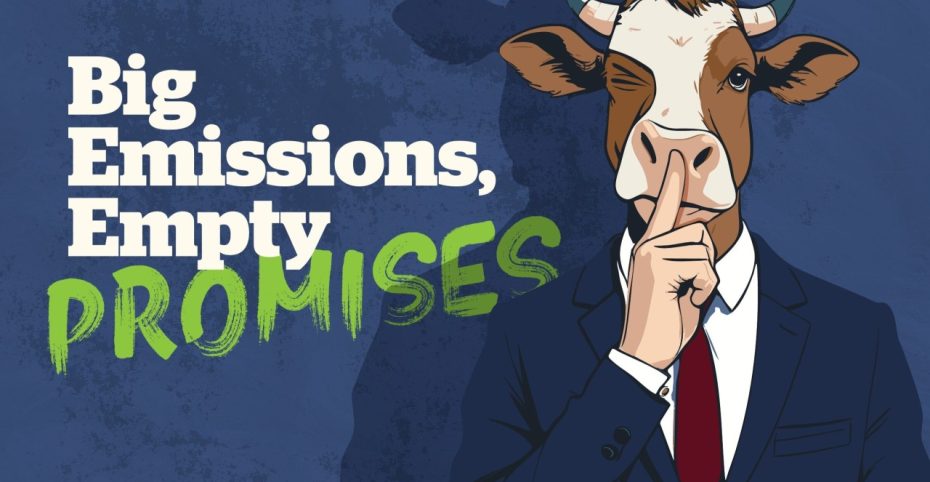
Every year, world leaders gather at climate summits, delivering passionate speeches and signing ambitious agreements to combat climate change. The headlines scream “historic breakthroughs,” “bold targets,” Time to take action,” and “unwavering commitments or dedication.” Yet, year after year, emissions keep rising, forests keep shrinking, and vulnerable communities continue to suffer the worst impacts of a warming planet. Now, the question bothering me is, are these climate pledges meaningful, or are they just political theater?
The Reality
Take COP29 as an example. Once again, countries reaffirmed their commitment to limiting global warming to 1.5°C above pre-industrial levels. Pledges were made to transition away from fossil fuels, increase renewable energy investments, and support climate adaptation in developing nations. But a closer look reveals a concerning pattern: the gap between promises and actual implementation remains dangerously wide.
Consider the 2015 Paris Agreement. Governments agreed to cut emissions to prevent catastrophic climate change. Yet a 2023 UN Emission Gap report shows that current national policies put the world on track for a 2.5–2.9°C temperature rise by the end of the century, far beyond the agreed-upon limit (https://www.unep.org/resources/emissions-gap-report-2023). This is not just a minor miscalculation but a death sentence for low-lying island nations, drought-prone regions, and communities already facing extreme weather events.
Why Do Climate Pledges Fail?
- Lack of Enforcement Mechanisms: Climate commitments often lack strict enforcement measures, unlike economic treaties or trade agreements. Countries set their targets, report their progress, and face no real penalties for missing goals. This creates an accountability crisis, where nations can sign agreements for public approval without serious plans for action.
- Financial Roadblocks: Climate action requires money, lots of it. Developed countries promised $100 billion per year in climate finance to assist developing nations in cutting emissions and adapting to climate change. Yet, this promise has repeatedly been broken, with funds arriving late or in insufficient amounts. Meanwhile, fossil fuel subsidies still shorten renewable energy investments, highlighting a deep contradiction in global priorities.
- Political Cycles vs. Climate Timelines: Climate action demands long-term planning, but political cycles operate on short-term gains. New governments often dismantle or weaken previous climate policies to prioritize economic growth or appease fossil fuel lobbyists. The U.S. is a prime example: commitments made under one administration can be reversed without delay under the next, making sustained progress nearly impossible.
- Greenwashing and Empty Promises Corporations and governments alike engage in greenwashing using misleading language to appear eco-friendly while continuing harmful practices. Many “net-zero” pledges are based on carbon offset schemes that lack credibility, allowing companies to continue polluting while planting a few trees to compensate.
The Impact on Environmental Justice
The failure of climate pledges is not just an abstract policy issue; it has real human consequences.
The communities that contribute the least to climate change suffer the most from its impacts. Flooding in Pakistan, wildfires in Australia, prolonged droughts in the Sahel; these disasters are not random. They are the direct result of inaction by those with the power to make meaningful change.
For Africa, a continent responsible for less than 4% of global emissions, the stakes are particularly high. Millions are facing food insecurity due to erratic rainfall, while rising temperatures increase the spread of diseases like malaria. Yet, when African leaders demand climate justice, which means fair financing and equal say in climate negotiations, they are met with delays and diluted commitments from wealthier nations.
What Needs to Change?
- Legally Binding Climate Targets: Countries must be held accountable for failing to meet their commitments, with penalties for non-compliance.
- Redirecting Fossil Fuel Subsidies: Instead of funding industries that worsen climate change, governments must prioritize renewable energy and sustainable infrastructure.
- Transparent Climate Finance: Richer nations must fulfill their financial promises, ensuring funds reach communities that need them most, rather than being caught in bureaucratic delays.
- Public Pressure and Advocacy: Citizens, activists, and organizations must continue pushing for transparency, action, and real consequences for climate inaction.
Will Words Ever Turn Into Action?
The time for performative climate pledges has long passed. If leaders truly care about the future, they must prove it with policies that translate into measurable change. Until then, every unfulfilled commitment is just another illusion, a green mirage that fades as soon as we step closer to examine its reality.