You do not need a thermometer to feel it. Just walk into a local market, and prices have doubled, maybe tripled. A bag of rice that cost twenty thousand naira last year now sells for over fifty thousand. Tomatoes are expensive. Maize is scarce. Even sachet water has doubled in price. The rains now come like strangers, either too little or too much. Crops are failing, roads are washing away, and families are spending more just to survive.
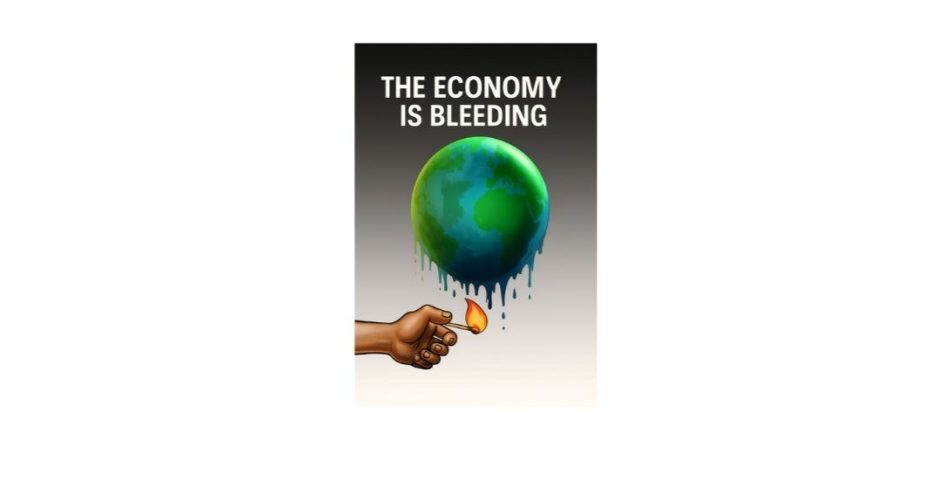
Climate change is no longer a distant threat. It is a daily crisis with a high price tag, and the economy is bleeding because of it.
Across Nigeria and many parts of Africa, floods are destroying farmlands, droughts are shrinking harvests, heatwaves are reducing productivity, and the cost of living keeps rising. But here is the truth, many still do not say loudly, it is not just bad governance or inflation, Climate inaction has become a silent thief, stealing not only our future, but also our finances. While the skies grow hotter and the floods rise higher, our economy is losing blood fast.
Facts from the Fields
The soil is no longer fertile. The sun is too harsh. When crops fail, food prices rise. Families cut meals. Children drop out of school. The economy does not just shrink, it bleeds, from the roots up. Agriculture contributes over 24 percent to Nigeria’s Gross Domestic Product and employs more than 70 percent of the rural population. But climate change is pushing this vital sector to the edge.
Erratic rainfall, prolonged dry spells, and desertification are making it harder for farmers to grow food. According to the Food and Agriculture Organization, Nigeria loses about 350,000 hectares of land annually to desertification, particularly in the northern regions.
That means less land to farm, lower yields, and more expensive food in the market. This pushes families to spend more of their income on food, increasing hunger and poverty. Inflation in the food sector was recorded at 40.66 percent in April 2024, one of the highest in two decades, Climate shocks play a major role in that.
When Floods Become Bills
In 2022, over 600 people died and 1.3 million were displaced due to heavy flooding across Nigeria. Economic losses were estimated at over N4.2 trillion, according to the National Emergency Management Agency. These disasters not only claim lives, they destroy homes, farms, shops, schools, and infrastructure.
For many small business owners, one flood can wipe out years of effort. Insurance is rarely accessible. Recovery takes years, and some never bounce back. In regions where climate disasters are becoming seasonal, the economy never gets a chance to heal before the next shock arrives. Emergency response came, but late. Recovery came, but not enough. Thousands were displaced. Many never recovered. While the water receded, debt remained. Again, the economy bled.
Energy, Emissions, and Empty Pockets
While our oil continues to burn, our future keeps melting. Nigeria still invests more in fossil fuel subsidies than in renewable energy. That is a costly decision.
Nigeria continues to spend billions subsidising fossil fuels — yet over 90 million Nigerians still lack access to electricity. This energy gap hurts small businesses, schools, and health care centres.
Millions live without steady power, yet solar remains expensive for the average family. If we had invested earlier in clean, accessible energy, we could have reduced emissions, created jobs, and boosted small businesses. Instead, the economy continues to bleed under outdated choices.
A 2023 World Bank report stated that climate-smart investments could add $23 billion to Nigeria’s economy by 2030 if backed by the right policies.
Global Silence, National Struggles
At international meetings like the Climate Summit, leaders discuss climate finance. Wealthy nations pledged over $100 billion annually to help developing countries deal with climate impacts. But many of these promises are either delayed, redirected, or never reach the ground.
One African delegate once said:
“We do not need sympathy. We need systems. We need support that reaches the ground.”
Although the Climate Change Act, signed in 2021, established Nigeria’s carbon budget and a National Council on Climate Change, implementation remains slow. Many communities that suffer the worst effects have not seen any tangible support.
Laws without action are like umbrellas in a windstorm. We need strong systems, not just signatures. If national climate policies remain on paper, the bleeding will continue and deepen.
Who Feels It, Pays It
This crisis is not just about temperature. It is about money. It is about livelihoods. It is about the mother who spends more just to feed her children. It is about the youth who cannot find work after a flood closes down local businesses. It is about families forced to relocate after losing their homes.
Climate change is not a distant threat. It is a daily burden.
- It is a flood sweeping away five years of savings.
- It is a failed harvest that forces a farmer’s child out of school.
- It is a sickness caused by dirty water, leading to hospital bills no one planned for.
As former United Nations Secretary-General Ban Ki-moon rightly said:
“Saving our planet, lifting people out of poverty, advancing economic growth — these are the same fight.”
It is Time to Stitch the Wound
Stopping the bleed requires more than speeches. It requires:
- Early warning systems to protect lives and property before disasters strike.
- Climate-smart agriculture to help farmers adapt and increase yields.
- Green investments that support clean energy and climate-resilient infrastructure.
- Direct climate financing to local governments and communities, not just top-level agencies.
- Public awareness so that citizens understand how climate change affects their pockets.
This bleeding can stop. But it will not stop by accident. It will stop when climate policies are backed with action. When early warning systems work. When flood-prone communities are protected. When local farmers are trained in climate-smart techniques. When clean energy is made affordable and accessible. And most importantly, it will stop when citizens, especially young people, understand that climate change is not just an environmental issue. It is a financial one. It is personal.
🔗 What Can You Do?
- Ask questions. Demand answers. Follow climate spending.
- Support local, climate-conscious businesses.
- Push for climate education in your community.
- Share your own climate story — it matters.
Climate change is already costing us more than money. The earlier we act, the less we bleed. Let this be a wake-up call, not a warning bell that comes too late.
The longer we delay climate action, the more we pay — in money, in jobs, in lives. Climate change is not just melting glaciers. It is shrinking bank accounts, collapsing markets, and dragging more people into poverty.
The bleeding economy is a symptom of our silence, our delay, and our misplaced priorities.
It is time to treat climate action as what it truly is: an investment in our survival, in our economy, and in our shared future.