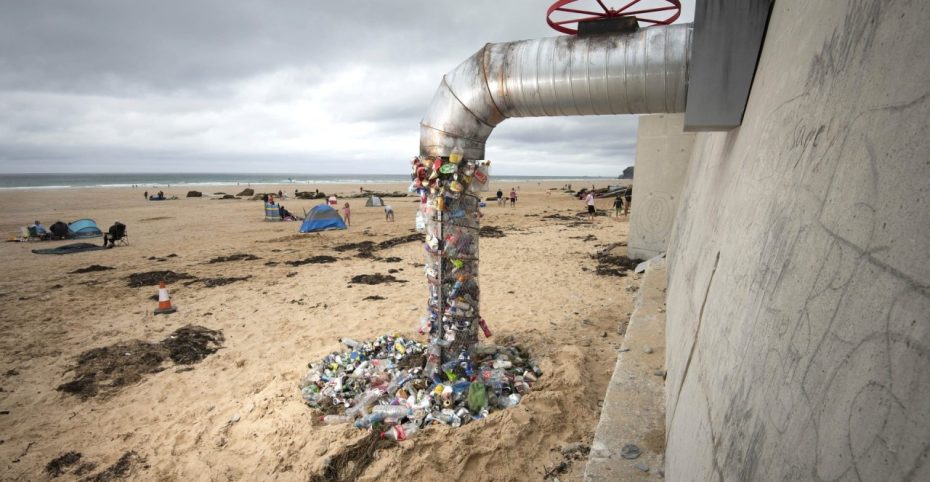
From Lagos to Lahore, from Accra to Amsterdam, we are surrounded by plastic. The sachet water bags littering the gutters in Nigerian markets. The nylon wraps from suya and fried yam. The plastic bottles from every party and street corner.
We see it, we live with it, sometimes we even burn it, unknowingly inhaling toxic chemicals that harm our lungs and affect our children’s health.
And when it rains? The plastics block the drains, water floods homes, and disease spreads. In 2022, floods caused by blocked drainage and climate-related rainfall cost Nigeria ₦4.2 trillion in damages. That is not just infrastructure, that is food lost, homes ruined, and livelihoods broken.
As we say in pidgin, “na who dey alive go chop.” Plastic pollution is more than an eyesore; it is a survival issue.
June 5 has come and gone. For a moment, the world wore green. Marches, clean-ups, media posts, hashtags, all in celebration of World Environment Day 2025, themed “Beating Plastic Pollution.” But the question that lingers is: what happens after one day?
Because truth be told, the earth will not heal because of one day of awareness. Not when over 430 million tonnes of plastic are produced every year globally, and more than 12 million tonnes still end up in our oceans annually.
Let’s talk frankly, not in big grammar, but in truth that touches the ground.
World Environment Day is a powerful reminder, but it must not be a once-a-year ritual. The real measure of progress lies in the 365 days that follow. Every policy passed, every habit changed, and every voice raised against plastic pollution counts.
Beating plastic pollution is not just about the environment; it is about dignity, health, equity, and our shared future.
On June 5, what happened?
Across Nigeria and many countries, young people stood up.
- In Abuja, Climate Justice Youth Ambassadors and other green groups organized a climate awareness walk from Airport Junction to Jabi, educating the public about plastic waste and collecting signatures for a petition to ban single-use plastics.
- In Kenya, school children planted trees and conducted local clean-ups, tying environmental education to real action.
- In India, more than 1,000 youth took part in a “plogging” campaign, jogging while picking litter from the streets.
- Online, the #BeatPlasticPollution trend dominated discussions, with organizations like theUN Environment Programme and Earthday.org sharing toolkits and facts.
But as important as these events are, they are not enough. Because the plastic problem was not created in one day, and it won’t disappear in one day either.
After June 5: What Now?
We need to move from event to everyday. Here is what we can do as individuals, communities, and governments.
1. Change Our Habits
Let us start from home.
- Carry a reusable bottle instead of buying bottled water.
- Take a bag to the market instead of collecting “nylon” every time.
- Reuse plastic containers. Refuse plastics you don’t need. As we say in Yoruba: “Ká fi tọ́kàn-tọ́kàn ṣe, ilé a tó.” (Little drops build a mighty home.)
2. Circular Economy Innovation
Businesses must move away from the linear “take-make-dispose” model and:
- Redesign products for reuse and recyclability
- Adopt eco-packaging and refill systems
- Invest in closed-loop production cycles
3. Education and Behaviour Change
Environmental literacy is critical. Citizens must:
- Understand the impact of their plastic use
- Choose sustainable alternatives
- Hold institutions accountable
Schools and community leaders should integrate waste education into curricula and local development plans.
4. Pressure Policymakers
In 2024, Nigeria announced plans to ban single-use plastics, but implementation is still slow. Citizens must demand action, not just awareness. Call your reps, support local ordinances, and sign petitions. Countries like Kenya have already banned plastic bags since 2017, and it is possible. We just need to be serious.
Governments must enact and enforce laws that:
- Ban single-use plastics
- Support extended producer responsibility (EPR)
- Incentivize alternatives and recycling industries
In Nigeria, the draft National Plastic Waste Management Policy proposes a phased reduction of single-use plastics and improved recycling infrastructure. This policy must now move from paper to practice.
5. Support Youth and Grassroots Solutions
Youth-led organizations like SustyVibes, Plogging Nigeria, and the Climate Justice Youth Ambassadors are already taking the lead. These are the real changemakers, support them, volunteer, donate, and amplify.
6. Invest in Waste Management
Only about 12% of plastic waste in Africa is recycled. We need proper waste separation systems, incentives for recycling, and businesses that create alternatives. This is not just environmental, it is economic. Waste management creates jobs, boosts tourism, and keeps communities healthy.
Governments and the private sector must invest in:
- Material recovery facilities
- Plastic buy-back programs
- Clean-up jobs that create green employment
Without waste systems that match the scale of the problem, even the best intentions will falter.
LASTLY, it is not enough to post “Happy World Environment Day” with leafy emojis.
It is about the market woman whose stall floods after a storm.
The fisherman whose daily catch is choked by plastic.
The child coughing near a dumpsite.
We must go beyond one day. Make sustainability a lifestyle, not a celebration.
Let us not wait for the next June 5 to act. Let us start from our homes, our offices, our streets. Because the Earth will not wait for us to be ready.
Refuse that nylon bag you do not need, carry your water bottle, join a local clean-up group, talk to your community about plastic, share this article, and start a conversation.
Together, our small actions become a powerful movement , one that does not end when the banners are folded.
Because truly, the environment is not a side topic— it is the stage on which all life plays. Let us not ignore it. Let us not waste it. Let us not wait.