
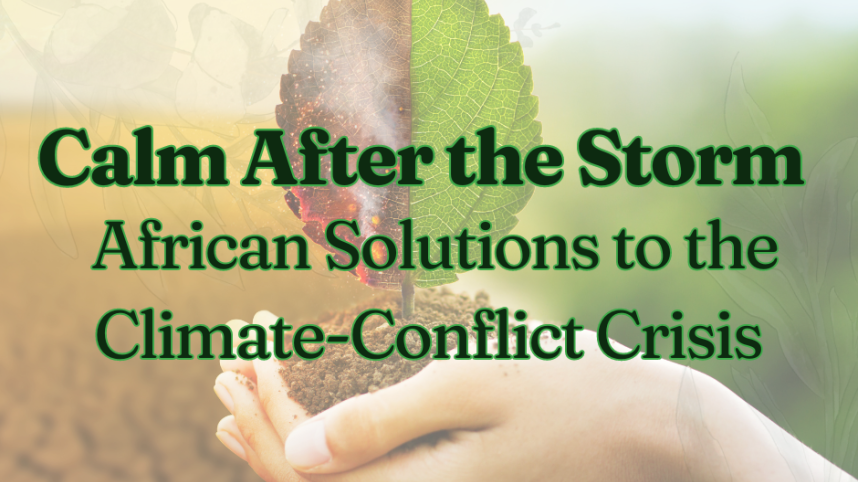
Africa is at a crossroads. The continent, rich with vast natural resources, is facing a problem that threatens its very own survival: climate change. The shifting climate, due to unpredictable weather patterns and rising temperatures, has become a powerful cause for conflict, destabilizing both communities and governments.
A Perfect Storm
The connection between climate change and conflict is obvious. The effects are severe, ranging from the Sahel’s continuous droughts to West Africa’s coastal erosion. The Lake Chad Basin, formerly a thriving hive of activity, is now a shell of its former self, creating conflicts among communities.
The once-reliable phases of agriculture and pastoral farming have been interrupted, resulting in resource scarcity, economic suffering, and instability in society. As people struggle to adapt to a changing environment, conflicts over land, water, and grazing rights are on the rise.
The 2022 floods in South Africa which killed over 40,000 people and caused widespread destruction, and the 2021 drought in Somalia leaving millions of people without food, serve as sharp reminders of the urgent need for climate action.
The Nexus Between Climate and Conflict
You might wonder what is the connection between climate change and conflict in the continent of Africa. And what can be done to end the cycle of violence and promote peace?
Climate change operates as a threat multiplier, causing existing vulnerabilities and inequalities. Resource scarcity, particularly water and land, is an important driver of conflict. When livelihoods and food security are put at risk, tensions arise. Additionally, climate-induced migration might result in conflicts over land and resources.
- Water scarcity: Rising temperatures cause changes in precipitation patterns and increased evaporation, resulting in water scarcity and competition for this scarce resource.
- Food insecurity: Climate-related failure of crops, animal deaths, and fisheries decrease all threaten food security, causing disputes over resources.
- Migration and displacement: Climate-induced migration and displacement can result in disputes over land, resources, and cultural identity.
- Economic instability: Impacts on the economy caused by climate change can result in unemployment, poverty, and social unrest.
Building Resilience and Fostering Peace
Addressing this complex challenge requires a multifaceted strategy that includes governments, international organizations, civil society, and local communities
- Climate Adaptation: Investing in climate-resilient infrastructure, agriculture, and early warning systems is crucial.
- Sustainable Land Management: Supporting sustainable land use practices can reduce the impacts of climate change and reduce resource-based conflicts.
- Conflict Prevention and Resolution: Strengthening early warning systems, mediation mechanisms, and peacebuilding efforts are another way to mitigate the magnitude of disasters.
- Gender Equality: Empowering women is key to building climate resilience and preventing conflict.
- Youth Engagement: Investing in youth programs that focus on peacebuilding, climate education, and entrepreneurship can foster a new generation of leaders.
Additionally, Educating local communities to adapt to changing conditions is equally important. Likewise, strengthening regional cooperation is fundamental. Sharing water resources, for example, demands collaborative management to avoid conflicts.
Call to Action
Africa requires global collaboration to address climate change and its related issues. Governments, international organizations, and civil society must work together to offer the needed support. By investing in adaptation, conflict resolution, and sustainable development, we can help Africa create a more resilient and peaceful future.
Let us work together towards turning this natural disaster into an opportunity.
Share this post to raise awareness and encourage discussions on how to address the climate-conflict nexus in Africa.